How Busan Reconnects Those Who Left
510,000 young people left Busan's region in ten years. A loss? Taiwan's departed youth built its semiconductor cluster from afar. Those who left are not lost — they are points Busan placed in the world. Not scattered, but extended. What reconnects them is trust built before leaving.
18 Questions for Next Busan · Day 16 of 18 Gray (Kim Hyunseung) · 2026
510,000 Left
In the southeastern region Busan belongs to, the youth population fell by 510,000 over the past ten years — from 2.17 million to 1.65 million. For Busan alone, the youth share dropped from 28 percent in 2010 to 21 percent in 2024, and the city became the first metropolitan city in the country to enter the "risk of extinction" stage.
Where did they go? Mostly to the capital region. The good jobs, the capital, the opportunity were there. The people Busan raised left because they could not find a place to grow in Busan. Exactly as the earlier essays showed.
This essay looks at that leaving again. Is leaving a loss? Or — can it be seen another way?
How to see the leaving
See the one who left as someone lost, and the story ends there. Only an empty seat remains. But there are cities that saw the ones who left differently.
Taiwan did. In the 1970s and 80s, Taiwan's brightest young people left for Silicon Valley. It was a brain drain. Yet they did not vanish. In Silicon Valley they built networks through alumni and hometown ties, and those networks later became the decisive channel that raised the semiconductor cluster in Hsinchu, near Taipei. The ones who left built the home industry. India and Israel's tech industries walked the same path. Professionals who left became the bridge between home and the world.
This is called not brain drain but brain gain. The difference is not in the people. It is in the gaze — whether you see the one who left as someone lost, or as one of ours, now out in the world.
Those who left are Busan's points in the world
Look again at the 510,000 who left Busan.
They are in Seoul, in Gyeonggi, and farther out in Tokyo, Singapore, Silicon Valley. Born and raised in Busan, carrying Busan's language and feeling, scattered across the cities of the world. See them only as those who left and they are empty seats. But see them as points Busan has placed in the world, and Busan is already a city that has marked dots across the globe. Not scattered, but extended.
And the same holds for those who did not leave. You can keep your body in Busan and your mind in the world. Live in Busan thinking only by Busan's standards, and you are confined to Busan. But work from the same seat by the standards of Tokyo, London, New York, and you become a person connected to the world while in Busan. Connecting to the world does not require leaving. You can be a point of the world while staying.
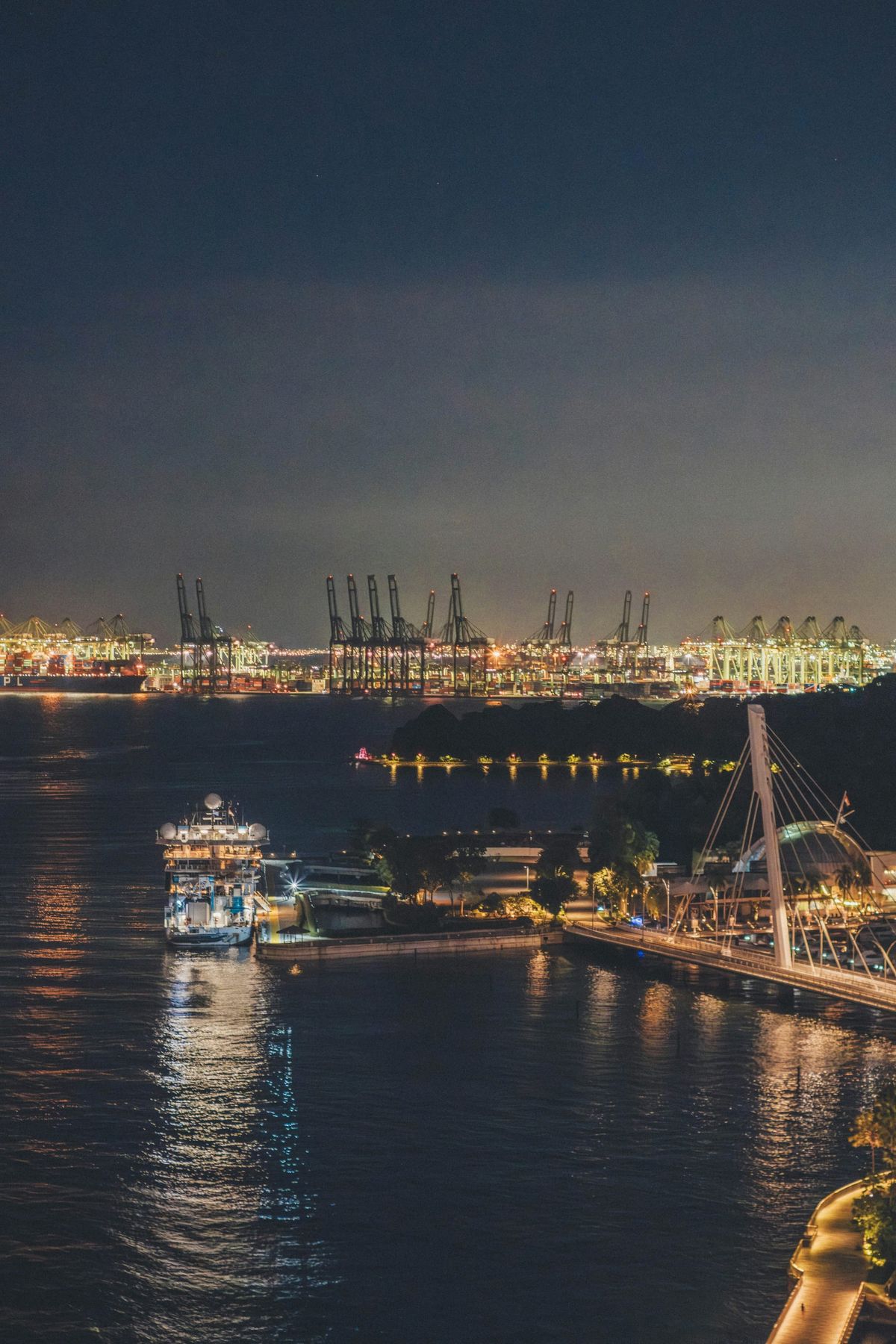
That Busan is a port city matters here. A port is by nature a place of leaving and returning. People and ships and goods go out, and come back in. Busan was a city of that coming and going. To count the one who left as lost is like a port counting a departing ship as lost.
What reconnects them
So what reconnects the scattered?
Not distance. This is an age of instant connection with the other side of the earth. Physical distance is no longer the problem. What reconnects is — the trust built before leaving. What trust was built with that person in Busan, before they left? With that trust, ten years on and half a world away, a single message reconnects them. Without it, they stay disconnected even in the same city.
This is what the world's diaspora research says, again and again. Reconnecting those who left with home does not happen through one event. It happens only through sustained interaction — building trust before they leave, and carrying that trust on after. Through a long relationship, and only that. In the end, trust again. The very trust this series has spoken of from the start.
For Busan to make those who left into points in the world, it must build trust before they leave. While they are in Busan, recognize them, make room beside them, build a relationship watched over time. Only then, after they leave — does Busan reach the world through them.
Calling back the scattered trust
Busan is practiced at raising people and sending them out, it was said. Now one more thing is needed: carrying on the trust with those sent out.
The 510,000 are not empty seats. They are people who know Busan, scattered across the world. Each of them can become Busan's point in Tokyo, in Seoul, in Silicon Valley. But that does not happen on its own. Someone must remember the scattered trust, call it, and connect it. It begins with the gaze that sees the one who left not as someone lost but as one of ours, out in the world.
Yet connecting scattered trust does not last long on one person's goodwill. Someone must promise it for the long term, and make that promise into an institution. How is that promise kept? The next question.
18 Questions for Next Busan Day 16 of 18 · Gray (Kim Hyunseung)
https://doi.org/10.5281/zenodo.20523145