A Room to Gather
Nampo-dong, 2014. I built a twenty-five-room lodge from nothing. Chasing a way to fill rooms that emptied every off-season, I found the answer was never in the room count — the place became somewhere people gathered, not slept.
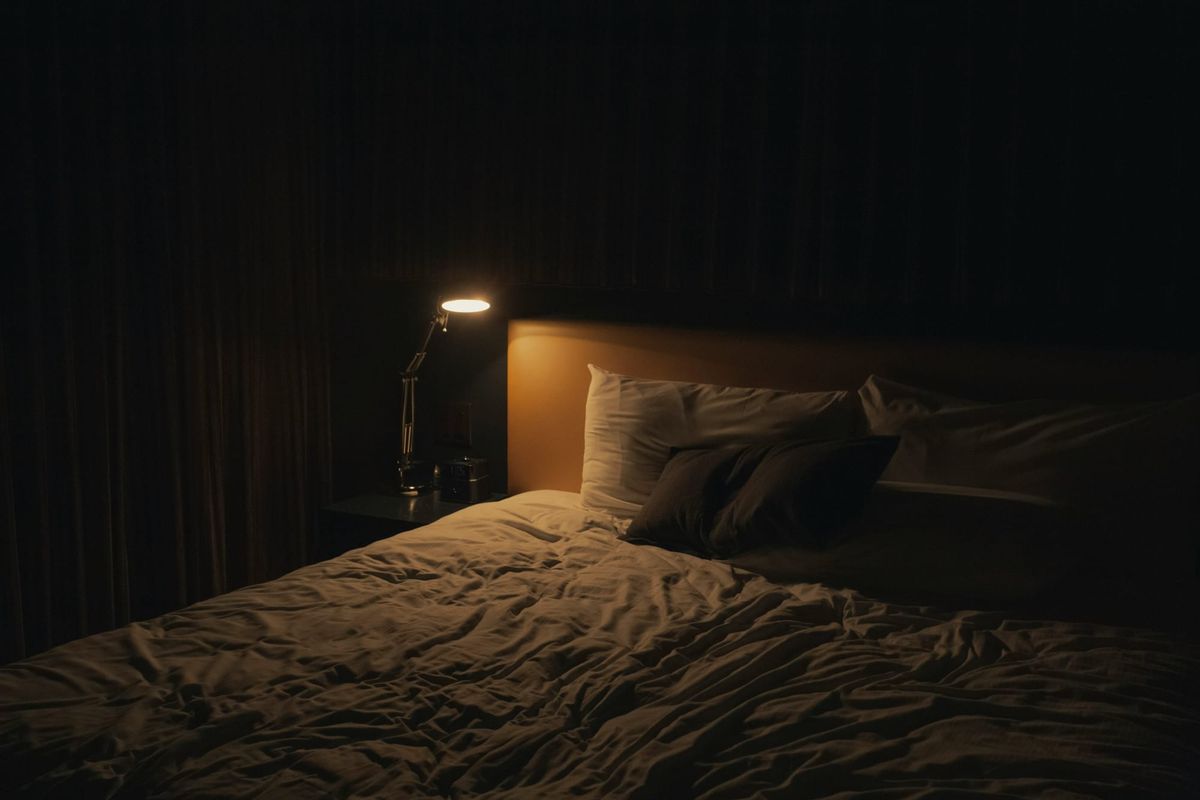
Space 100 · #03 Gray (Kim Hyunseung) · June 2026
A Room to Gather
In 2014 I started running a small lodge in Nampo-dong, down by the old harbor in Busan. Twenty-five rooms. The sign out front said guesthouse, but the inside told a different story — no dorms, just singles, doubles, twins, and family rooms, each with its own shower and toilet. It wanted to be taken for a business hotel. I built the whole thing from nothing, with my own hands.
It started with paperwork. I lost count of how many times I walked into the district office with registration forms, sent back again and again because I had no idea which box needed what, which drawing or proof was still missing. Only after I cleared all that did the real work begin. Wiring up a booking system, hiring staff, mapping the cleaning routes, working out how many towels had to be in rotation, putting together small events to draw people in. A bed in a room doesn't make a lodge. Between that bed and the moment someone finally lies down on it, a hundred unseen hands have to touch it first.
The building itself was a problem from day one. The ground floor was a bar that put on cocktail shows every night; the floor above it was a late-night drinking spot; and my rooms sat stacked on top of all that. Music and shouting drifted up after dark, and a police car pulled into the alley so often it felt like a regular guest. We laugh about it now, but back then it was every night. You don't get a calm common room out of a building like that.
So I went looking for common space outside it. When the weather was good, I borrowed the roof — the rooftop was our lounge. When someone needed to stash their bags or hold a meeting, I worked something out with the craft beer place across the street: I'd hold a guest's luggage for them, and in return I borrowed a corner of their shop during the slow daytime hours and used it like a meeting room. Filling what you don't have by borrowing from the people next door — at the time it was just scrambling. That it would become the whole way I worked, I only understood much later.
Once it was all up and running, the next problem arrived.
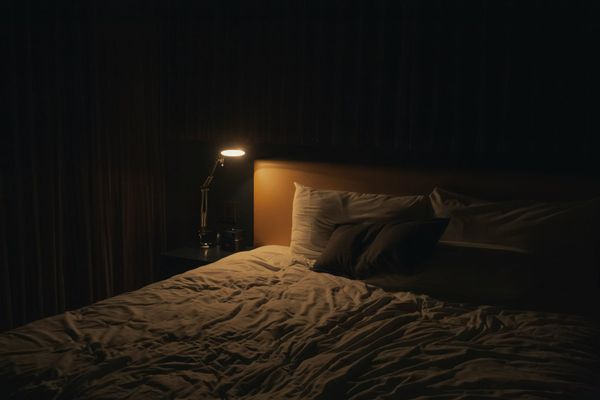
Lodging has a high season and a low one. After summer ends and the festivals are over, the rooms empty out. And an empty room costs money just sitting there. The bedding still has to be kept up, the lights left on, the staff paid the same. A room with no guest quietly burns cash every single day. Opening the reservation board each morning to a column of blank cells — that was my daily routine through the off-season. I had to fill them. One sentence wouldn't leave my head that winter: what do I fill these empty rooms with?
So I started hunting for an "item" to fill them. Group bookings, events, partnerships — anything that could fill rooms in bulk. The room count was always floating somewhere in my head. How many people for how many nights fills this off-season? I'd gotten good at converting people into a figure: so many guests, so many nights.
Then I heard about a hackathon being held up in Seoul. Two days over a weekend, people gathered in one place building something together. The ones coming from out of town needed somewhere to sleep. My thinking was simple: hold something like that down in Busan, and those people would fill my empty rooms. I thought I'd finally found the answer to the off-season.
But once I actually had them in, what I'd filled wasn't rooms.
They didn't behave like ordinary guests. They'd check in, toss their bags in the room, and come right back down to head up to the roof. By day they crowded into that borrowed corner of the beer place across the street, talking over each other; late at night they sat in a ring on the rooftop tearing each other's ideas apart, then stayed up till morning building them together anyway. The people I'd let in to collect room rates were hardly ever in their rooms. To them the lodge wasn't a place to sleep — it was a place to gather. The empty rooftop filled with people before the rooms ever did.
After the event ended and they checked out, the contact didn't stop. One said he'd come back to Busan again; another said he'd introduce me to someone he knew. I'd taken them in for the room rates, but what stayed wasn't the rates. It was the people. The rooms emptied again a few days later. The people didn't.
I wasn't alone in this, back then. There was someone running a hostel over in Gwangalli, someone running a guesthouse in Jungang-dong, and we met often. We were all carrying the same question — how do you fill the empty rooms?
What that relationship actually was, I learned not when rooms sat empty but when they overflowed. One night, close to midnight, a guest stood at my front desk holding a booking confirmation. Except someone was already in that room. A reservation that had come in online and another by phone had landed on the same room at once. An overbooking. I was so new at this my mind just went blank. I couldn't blame the system in front of the guest, and I couldn't conjure a room out of thin air.
What I did, in the end, was make calls. To the Gwangalli guy, to the Jungang-dong one. Any rooms free tonight? One of them happened to have a single room open, so I explained the situation to my guest, flagged a taxi, and sent them over. The next morning I went around carrying apology and gratitude in the same hands. And not long after, their place overflowed and they sent a guest to me. That's how we got through it — taking in each other's overflow, covering the nights a single lodge could never hold on its own. The ones who filled my empty rooms and the ones who took in my overflow were the same people.
Some days sitting around in someone's shop, some days over late-night messages, we traded notes on which guests had come, what had worked, what had been a waste. That's where I learned the most. What taught me how to fill empty rooms wasn't a book or a manual — it was people sitting in the same spot, chewing on the same problem.
I'd been looking for a way to fill empty space, and even the way came out of people. The answer was never in the room count to begin with.
So while I was trying to fill empty rooms, I'd somehow stepped into the work of filling something else — not space, but people. That work went far beyond the lodge, and turned into ten years of gathering people and connecting them. Along that road I met the good people who are still with me now.
Some spaces draw people in by being deliberately left empty. Others find people while scrambling to fill a space that's gone empty. What you fill, in the end, isn't the space. It's the people.